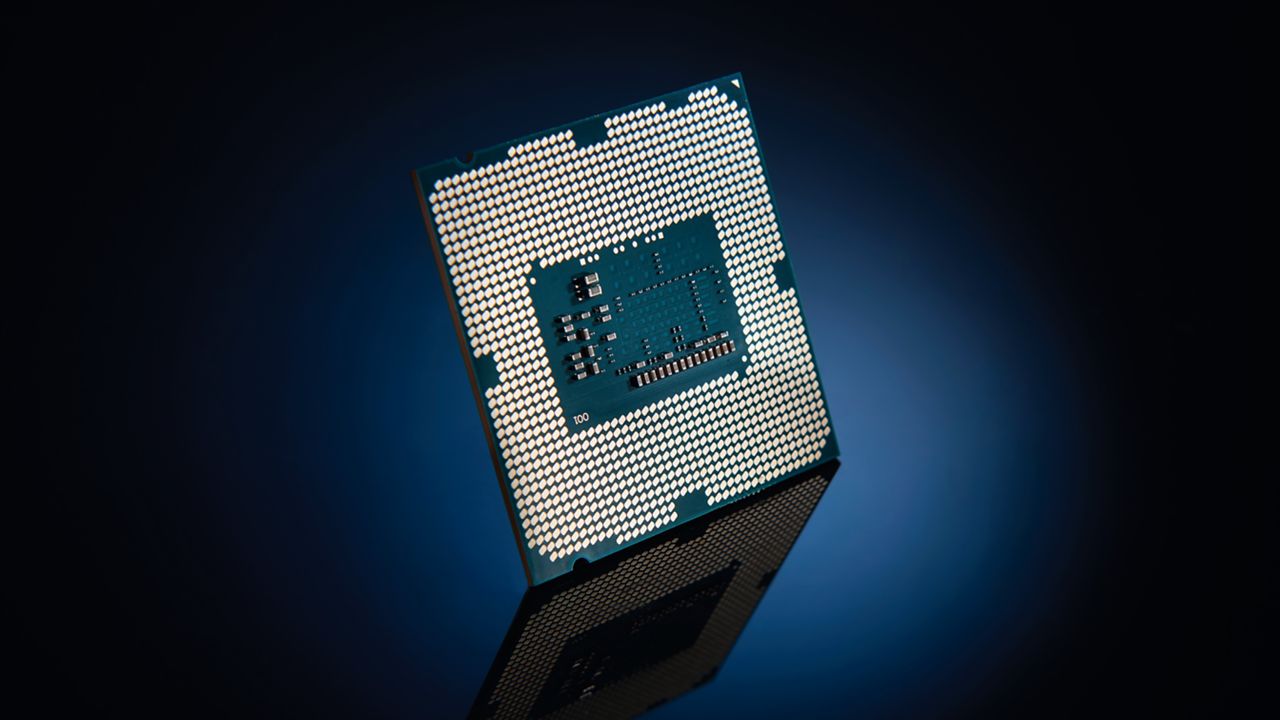
Why is Intel sharing its Atom CPU technology with a start-up? The answer could be in low-power x86 design
Intel shared rare x86 chip design access with a brand-new startup RosaicLabs can now build custom processors using licensed Atom architecture Intel shifted its low-power strategy from Atom towards newer E-Core designs Intel has given RosaicLabs access to part of its Atom processor technology in a ra
<![CDATA[ <article> <ul><li><strong>Intel shared rare x86 chip design access with a brand-new startup</strong></li><li><strong>RosaicLabs can now build custom processors using licensed Atom architecture</strong></li><li><strong>Intel shifted its low-power strategy from Atom towards newer E-Core designs</strong></li></ul><p>Intel has given RosaicLabs access to part of its Atom processor technology in a rare move involving the company's x86 intellectual property.</p><p>Reports from <a href="https://www.reuters.com/world/intel-providing-chip-technology-startup-led-by-co-investor-tan-rare-deal-2026-07-29/" target="_blank"><em>Reuters</em></a> claim the agreement involves register-transfer level, or RTL, code that describes <a href="https://www.techradar.com/news/best-processors">processor</a> functions before they are converted into physical silicon during manufacturing.</p><p>Atom was designed for low-power computing, making the technology suitable for systems requiring efficient performance without high energy consumption or excessive heat generation.</p><h2 id="why-atom-technology-fits-the-reported-agreement">Why Atom technology fits the reported agreement</h2><p>Intel's Atom processors have historically powered entry-level systems, networking equipment, embedded devices, and other products where power efficiency matters more than maximum performance.</p><p>The processor family runs on the x86 architecture and was developed to provide Intel-based computing for smaller and lower-power devices.</p><p>RosaicLabs is expected to receive RTL code for Atom technology, which could allow it to create custom processor designs using Intel's existing architecture.</p><p>A veteran semiconductor executive said such access provides "comprehensive exposure" to Intel's intellectual property, giving customers the ability to develop their own silicon based on licensed designs.</p><p>Providing Rosaic access to Atom technology is unusual because Intel has traditionally kept key parts of its x86 intellectual property under tighter control rather than widely licensing processor designs.</p><p>However, Intel's Atom portfolio has become smaller as the company shifted its low-power processor strategy toward E-Cores, which succeeded Atom-based designs in newer products.</p><p>E-Cores use newer microarchitectures such as Gracemont, meaning Intel may view selected Atom technology as suitable for external licensing while keeping its latest processor designs within its own roadmap.</p><p>The exact Atom technology Rosaic will receive remains unclear, although the startup could potentially gain access to Tremont, one of Intel's final Atom microarchitectures.</p><p>Tremont was used in products such as Elkhart Lake and Jasper Lake, which supported embedded systems, low-power <a href="https://www.techradar.com/news/mobile-computing/laptops/best-laptops-1304361">laptops</a>, and <a href="https://www.techradar.com/news/best-chromebook">Chromebooks</a>.</p><h2 id="rosaic-has-some-connections-with-intel">Rosaic has some connections with Intel</h2><p>Rosaic is a startup incorporated in Delaware in May 2026, but details about the company remain limited beyond its reported agreement with Intel over Atom processor technology.</p><p>An amended corporate filing dated July 24 shows the company can pursue a $10 million seed funding round while approving capital expenditures below $5 million without investor or board approval.</p><p>The startup's founding team reportedly includes former Rivos employees, linking Rosaic with a semiconductor company that Meta acquired for roughly $2 billion last year.</p><p>Rosaic's connection with Intel also extends to its leadership because chief executive Amarjit Gill previously helped assemble Rivos' founding team alongside Intel chief executive Lip-Bu Tan, who chaired that company.</p><p>Gill and Tan also shared an investment history, making early bets on Nuvia before Qualcomm acquired the startup, adding another link between Rosaic's leadership and Intel's current chief executive.</p><p>These professional relationships have drawn attention to Rosaic, although neither company has publicly explained whether they influenced Intel's decision to share Atom processor technology.</p><p>After the announcement, Intel shares rose 12%, although no evidence directly linked those market gains with the reported licensing arrangement.</p><p>This agreement suggests Intel may see continued value in Atom's low-power x86 design, but its broader intentions remain uncertain until Rosaic reveals its future processor plans.</p><figure class="van-image-figure inline-layout" data-bordeaux-image-check ><div class='image-full-width-wrapper'><div class='image-widthsetter' style="max-width:676px;"><p class="vanilla-image-block" style="padding-top:31.51%;"><img id="diM9tpwF2Lz85R8q85CT78" name="tr-g_news" alt="Google logo on a black background next to text reading 'Click to follow TechRadar'" src="https://cdn.mos.cms.futurecdn.net/diM9tpwF2Lz85R8q85CT78.jpg" mos="" align="middle" fullscreen="" width="676" height="213" attribution="" endorsement="" class="inline"></p></div></div></figure> </article> ]]>
Read the full article on TechRadar
Read Full Article →